



Gravel is a versatile and cost - effective material that has been used in various landscaping projects for centuries. When it comes to patios, many homeowners and landscapers often wonder if gravel can be a suitable option. As a gravel supplier, I'm here to explore the viability of using gravel for patios, discussing its benefits, drawbacks, and practical considerations.
Benefits of Using Gravel for Patios
1. Cost - effectiveness
One of the most significant advantages of using gravel for patios is its cost. Gravel is generally much more affordable than other patio materials such as concrete, pavers, or natural stone. This makes it an attractive option for those on a budget. Whether you're working on a small backyard patio or a large outdoor entertainment area, gravel can provide a cost - efficient solution without sacrificing aesthetics.
2. Drainage
Gravel is excellent for drainage. Unlike solid patio materials, water can easily seep through the gaps between the gravel particles. This helps prevent water pooling on the patio surface, which can lead to issues like mold, mildew, and damage to the patio structure. In areas with heavy rainfall or poor soil drainage, a gravel patio can be a practical choice.
3. Aesthetics
Gravel comes in a wide variety of colors, sizes, and shapes, allowing you to create a unique and personalized patio design. You can choose from options like Pathway Gravel, which has a smooth and rounded appearance, or more angular crushed gravel for a more rustic look. The natural look of gravel can blend well with different landscaping styles, from traditional to modern.
4. Easy Installation
Installing a gravel patio is relatively straightforward compared to other patio materials. You don't need specialized tools or professional skills to lay down gravel. All you need is to prepare the area by removing any grass or debris, level the ground, and then spread the gravel evenly. This DIY - friendly nature makes it a popular choice for homeowners who want to take on a landscaping project themselves.
Drawbacks of Using Gravel for Patios
1. Mobility
One of the main drawbacks of a gravel patio is that the gravel can shift and move over time. Foot traffic, wind, and rain can cause the gravel to spread out of place, which may require regular maintenance to keep the patio looking neat. This can be a hassle, especially if you have a large patio or if you're using the patio frequently.
2. Cleaning
Cleaning a gravel patio can be more challenging than cleaning a solid surface. Debris such as leaves, twigs, and dirt can get trapped in the gravel, and it can be difficult to remove them completely. Additionally, if you spill something on a gravel patio, it can seep into the gravel, making it harder to clean up.
3. Comfort
Walking on a gravel patio may not be as comfortable as walking on a smooth surface. The unevenness of the gravel can make it a bit tricky to walk on, especially for those with mobility issues or wearing high - heeled shoes. However, this can be mitigated by choosing a finer - grained gravel or by adding a layer of padding or a rug in high - traffic areas.

Practical Considerations for Using Gravel for Patios
1. Gravel Selection
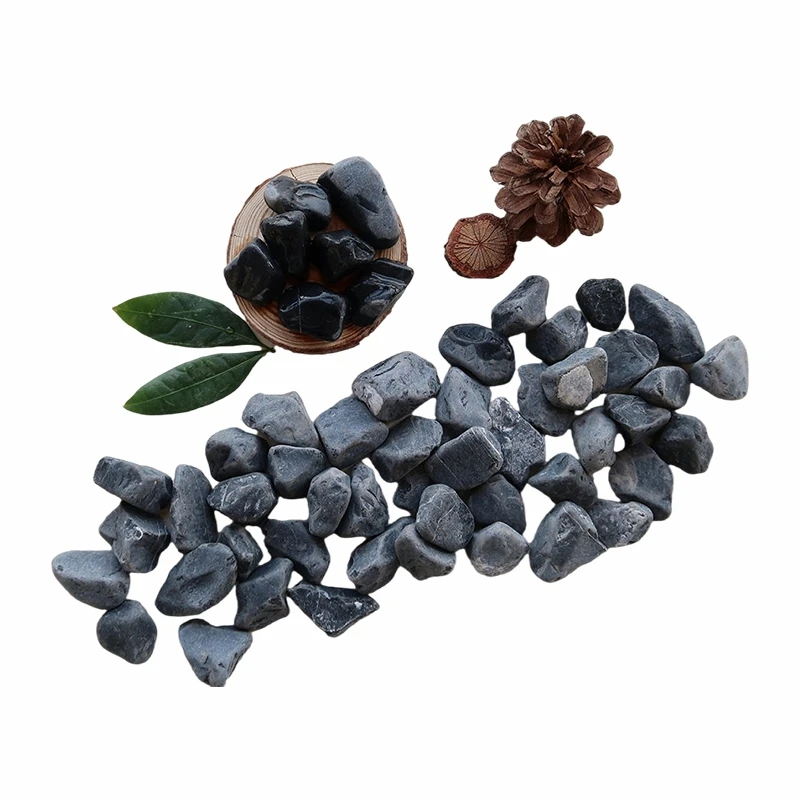
When choosing gravel for your patio, it's important to consider the size, shape, and color of the gravel. For a patio, a medium - sized gravel (around 3/8 to 3/4 inches) is often a good choice. Smaller gravel may be more likely to shift, while larger gravel can be uncomfortable to walk on. As for color, you can choose a gravel that complements your existing landscaping and the overall style of your home. For example, Black Smooth Pea Gravel can add a modern and sleek look to your patio.
2. Base Preparation
Proper base preparation is crucial for a successful gravel patio. You need to dig out the area to a depth of at least 4 - 6 inches and remove any grass, roots, or debris. Then, add a layer of crushed stone or gravel as a base to provide stability and drainage. Compact the base using a plate compactor to ensure a firm and level surface.
3. Edging
To prevent the gravel from spreading out of the patio area, it's important to install edging. There are various types of edging materials available, such as plastic, metal, or concrete. Edging not only keeps the gravel in place but also gives the patio a more finished look.
4. Maintenance
Regular maintenance is necessary to keep your gravel patio looking its best. This includes raking the gravel to keep it level, removing debris, and adding more gravel as needed. You may also need to re - compact the gravel periodically to maintain its stability.
Is Gravel the Right Choice for Your Patio?
Whether gravel is the right choice for your patio depends on your specific needs and preferences. If you're looking for a cost - effective, low - maintenance, and aesthetically pleasing option, gravel can be a great choice. However, if you're concerned about mobility, cleaning, or comfort, you may want to consider other patio materials.
As a Sand Gravel Supplier, we offer a wide range of gravel products to suit different patio projects. Our team of experts can help you choose the right gravel for your needs and provide advice on installation and maintenance.
If you're interested in using gravel for your patio or have any questions about our products, we encourage you to reach out to us. We're here to assist you in creating the perfect outdoor space for your home. Contact us today to start your patio project!
References
- Landscape Design Basics, by John Brosnan
- Gravel and Stone in Landscape Design, by Jacqueline H. Heriteau