



Hey there, fellow garden enthusiasts! As a supplier of Tumbled Cream Gravel, I've been getting a lot of questions lately about whether this type of gravel can be used in a wildlife - friendly garden. Well, let's dive right into it and find out!
First off, what exactly is tumbled cream gravel? It's a beautiful, smooth - textured gravel with a creamy color. It's been tumbled to give it that rounded shape, which not only looks great but also has some practical benefits.
Benefits for Wildlife
One of the key things in a wildlife - friendly garden is providing suitable habitats. Tumbled cream gravel can play a part in this. For insects, it can create micro - habitats. Small insects like ground beetles and spiders might find the spaces between the gravel stones to be a great place to hide and hunt. These insects are an important part of the garden ecosystem as they help control pests.
Birds also benefit from gravel in a garden. They use small pebbles to help with digestion. The smooth surface of tumbled cream gravel makes it easy for birds to pick up and swallow. And let's face it, a garden full of chirping birds is a joy to behold!
Another aspect is water management. In a wildlife - friendly garden, proper drainage is crucial. Tumbled cream gravel allows water to seep through easily, preventing waterlogging. This is beneficial for plants as well as wildlife. Amphibians like frogs and toads need moist but well - drained areas. The gravel can help maintain the right moisture level in the soil around ponds or damp areas in the garden.

Aesthetics and Practicality
Now, let's talk about how tumbled cream gravel looks in a garden. It adds a touch of elegance and a natural feel. It can be used to create paths, borders, or even as a ground cover around plants. The creamy color complements a wide variety of plants, from bright flowers to lush green foliage.
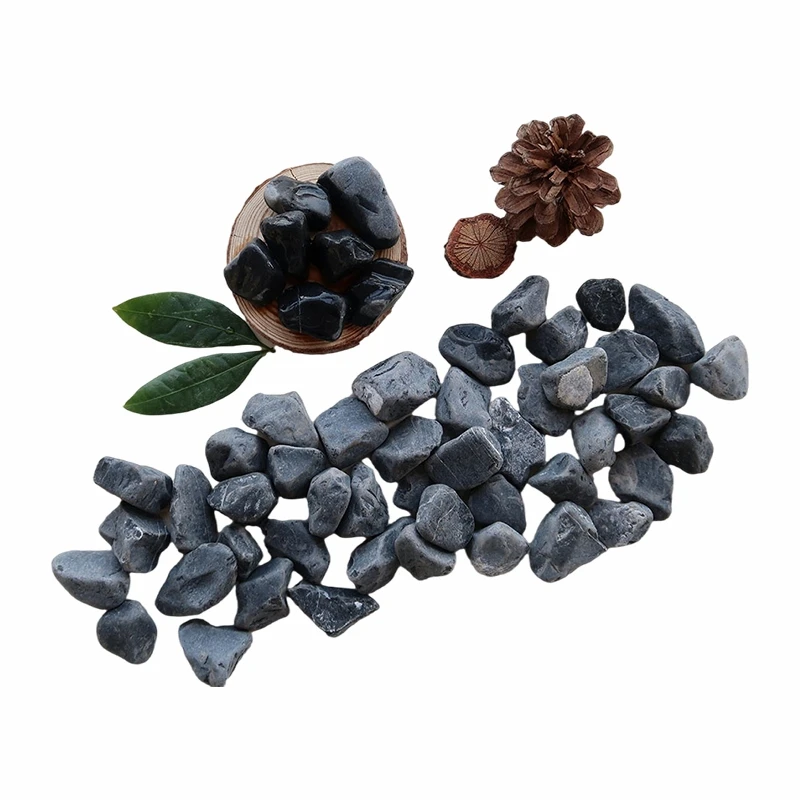
Compared to other types of gravel, tumbled cream gravel has a softer look. For example, Black Smooth Pea Gravel has a more dramatic and bold appearance, while tumbled cream gravel gives a more subtle and calming vibe. If you're going for a more serene and natural wildlife - friendly garden, the cream color can really enhance that aesthetic.
Potential Drawbacks
Of course, no material is perfect. One potential drawback of using tumbled cream gravel in a wildlife - friendly garden is that it might get too hot in direct sunlight. This could be a problem for some small insects and amphibians that need cooler temperatures. However, this can be mitigated by placing the gravel in areas with partial shade or by adding some plants around it to provide shade.
Another thing to consider is that the smooth surface of tumbled cream gravel might not be the best for some larger animals. For example, if you have rabbits or squirrels in your garden, they might have a harder time gripping the surface compared to a rougher gravel. But this isn't a deal - breaker, as you can create other areas in the garden with different textures for these animals.
Comparison with Other Gravels
Let's compare tumbled cream gravel with Grey Garden Pathway Gravel and Decorative Yellow Gravel. Grey garden pathway gravel is more neutral and can blend in well with a modern - style garden. It might be a bit more durable in high - traffic areas, but it doesn't have the same warm and inviting feel as tumbled cream gravel.
Decorative yellow gravel, on the other hand, is very bright and can add a pop of color. But it might be a bit too intense for a wildlife - friendly garden that aims for a more natural look. Tumbled cream gravel strikes a good balance between being visually appealing and suitable for wildlife.
How to Incorporate Tumbled Cream Gravel
If you're convinced that tumbled cream gravel is right for your wildlife - friendly garden, here are some ways to incorporate it.
- Paths: Create winding paths through your garden using tumbled cream gravel. This not only provides a nice walking surface but also divides different areas of the garden. You can line the paths with native plants to attract more wildlife.
- Borders: Use the gravel as a border around flower beds or vegetable patches. It can help keep the soil in place and prevent weeds from spreading.
- Ground Cover: Spread the gravel around trees or shrubs. This can help retain moisture in the soil and also give a clean and tidy look to the area.
Maintenance
Maintaining tumbled cream gravel in a wildlife - friendly garden is relatively easy. You'll need to remove any debris or leaves that accumulate on the surface. This can be done with a simple rake. Every once in a while, you might need to top up the gravel if it gets displaced over time.
Conclusion
So, can tumbled cream gravel be used in a wildlife - friendly garden? Absolutely! It has many benefits for wildlife, looks great, and is relatively easy to maintain. While there are some potential drawbacks, with a bit of planning, you can overcome them.
If you're interested in using tumbled cream gravel in your garden, I'd love to chat with you about your project. Whether you're a seasoned gardener or just starting out, we can work together to find the right amount and placement of gravel for your wildlife - friendly oasis.
References
- "The Wildlife Gardening Book" by David Chapman
- "Gardening for Wildlife" by the National Wildlife Federation