



As a supplier of polished pebbles, I often receive inquiries from customers about how to clean these beautiful stones. Polished pebbles are not only aesthetically pleasing but also versatile, used in various decorative and functional applications such as aquariums, gardens, and interior design. Proper cleaning is essential to maintain their luster and longevity. In this blog post, I'll share some effective methods and tips on how to clean polished pebbles.
Understanding the Types of Polished Pebbles
Before diving into the cleaning process, it's important to understand the different types of polished pebbles. We offer a wide range of options, including Decorative Polished Red Stones, Black Polished Stones, and Polished Yellow River Stones. Each type may have unique characteristics and require specific cleaning approaches.
General Cleaning Guidelines
The first step in cleaning polished pebbles is to remove any loose debris. You can do this by gently rinsing the pebbles under running water. Use a soft - bristled brush, like a toothbrush, to carefully scrub the surface of the pebbles to dislodge dirt and grime that may be stuck in the crevices. Make sure to be gentle to avoid scratching the polished surface.
For a more thorough cleaning, you can create a mild cleaning solution. Mix a small amount of mild dish soap with warm water in a bucket or basin. Submerge the pebbles in the solution and let them soak for about 15 - 20 minutes. This will help to break down any stubborn dirt or stains.
After soaking, use the soft - bristled brush again to scrub the pebbles. Pay special attention to areas that seem particularly dirty. Once you've scrubbed all the pebbles, rinse them thoroughly under running water to remove all traces of the soap solution.
Cleaning for Different Environments
Aquarium Pebbles
If the polished pebbles are used in an aquarium, the cleaning process needs to be extra careful. First, remove the pebbles from the aquarium. You can use a siphon to vacuum up any loose debris from the pebbles while they are still in the tank. Then, transfer the pebbles to a separate container.
Rinse the pebbles under lukewarm water to remove any fish waste or algae. Do not use any soap or chemicals as they can be harmful to the fish. Instead, you can use a dedicated aquarium gravel cleaner or a solution of water and hydrogen peroxide in a very small ratio (about 1 part hydrogen peroxide to 10 parts water). Soak the pebbles in this solution for a few minutes, then rinse them thoroughly.
Before putting the pebbles back into the aquarium, make sure they are completely clean and free of any cleaning agents.
Garden Pebbles
Garden pebbles are exposed to the elements, so they may accumulate dirt, leaves, and even moss over time. Start by using a leaf blower or a broom to remove large debris such as leaves and twigs.
For more stubborn dirt and moss, you can create a natural cleaning solution. Mix white vinegar and water in a 1:1 ratio. Spray the solution onto the pebbles and let it sit for 10 - 15 minutes. The acidity of the vinegar will help to break down the moss and dirt. Then, use a stiff - bristled brush to scrub the pebbles. Rinse the pebbles with a garden hose to remove the loosened dirt and vinegar solution.
Interior Decorative Pebbles
Interior decorative pebbles are usually less dirty compared to those used in aquariums or gardens. However, they can still collect dust. You can use a dry microfiber cloth to gently wipe the pebbles to remove dust. If there are stains, you can use the mild dish - soap and water solution mentioned earlier.
Special Considerations for Different Stone Types
Some polished pebbles, like those with unique colors or patterns, may require special care. For example, the Decorative Polished Red Stones may fade if exposed to harsh chemicals or direct sunlight for extended periods. When cleaning them, avoid using strong cleaning agents and keep them away from direct sunlight during the cleaning process.
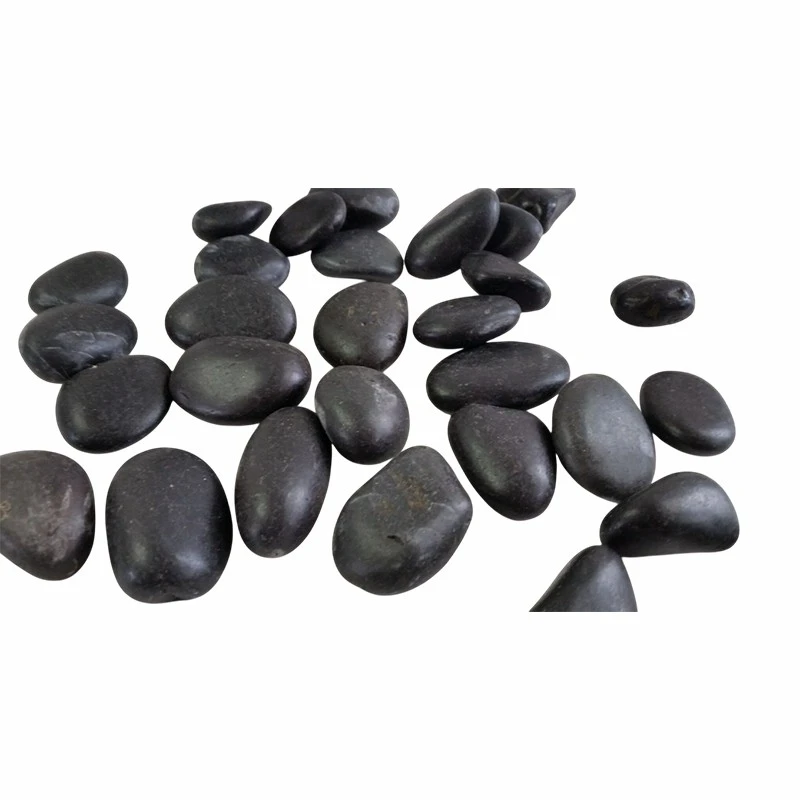
The Black Polished Stones may show scratches more easily. So, when scrubbing, use an extremely soft brush and be extra gentle.
The Polished Yellow River Stones may have natural porous areas. These areas can trap dirt more easily. You may need to soak them for a longer time in the cleaning solution and use a finer - tipped brush to clean the pores.
Drying the Pebbles
After cleaning, it's important to dry the polished pebbles properly. You can lay them out on a clean, dry towel in a well - ventilated area. Let them air - dry completely. Avoid using a heat source to dry the pebbles quickly, as sudden temperature changes can cause the stones to crack or lose their polish.
Maintaining the Polished Surface
To keep the polished pebbles looking their best, regular maintenance is key. For indoor pebbles, dust them regularly with a microfiber cloth. For outdoor pebbles, check them periodically and remove any debris as soon as you notice it.
If you want to enhance the shine of the polished pebbles, you can use a stone polish specifically designed for the type of stone. However, make sure to test it on a small, inconspicuous area first to ensure it doesn't cause any discoloration or damage.

Conclusion
Cleaning polished pebbles is not a difficult task if you follow the right steps. Whether you're using them in an aquarium, garden, or for interior decoration, proper cleaning and maintenance will ensure that your polished pebbles retain their beauty for years to come.
If you're interested in purchasing high - quality polished pebbles for your projects, we are here to assist you. We have a wide variety of polished pebbles to meet your needs. Contact us for more information and to start a procurement negotiation. We look forward to working with you!
References
- "Stone Care and Maintenance Guide" by Stone Industry Association
- "Aquarium Maintenance Handbook" by Aquatic Experts Publishing
- "Garden Decorative Elements: Care and Upkeep" by Gardening World Magazine