



Maintaining a gravel driveway is a crucial task that not only enhances the aesthetic appeal of your property but also ensures its functionality and longevity. As a gravel supplier, I've witnessed firsthand the transformative power of a well - maintained gravel driveway. In this blog, I'll share some essential tips and techniques to help you keep your gravel driveway in top - notch condition.
Regular Inspection
The first step in maintaining a gravel driveway is regular inspection. Walk along the driveway at least once a month to check for any signs of damage or wear. Look for potholes, ruts, or areas where the gravel has become thin. These issues can worsen over time if not addressed promptly.
Potholes can form due to heavy traffic, water erosion, or the settling of the underlying soil. When you spot a pothole, mark it with a stake or a piece of chalk so that you can address it later. Ruts are often caused by vehicles repeatedly driving in the same tracks. They can make the driveway uneven and difficult to drive on. By identifying these problems early, you can prevent them from escalating into more significant issues.
Clearing Debris
Debris such as leaves, branches, and dirt can accumulate on your gravel driveway over time. This debris not only looks unsightly but can also cause problems. Leaves and branches can trap moisture, leading to the growth of mold and mildew. Dirt can mix with the gravel, making it less effective at draining water.
To clear debris, use a leaf blower or a rake. A leaf blower is an efficient way to quickly remove leaves and light debris. Start from the top of the driveway and work your way down, blowing the debris off to the side. If you prefer a more hands - on approach, a rake can be used to gather the debris into piles, which can then be easily removed. Make sure to clear the debris regularly, especially during the fall when leaves are abundant.
Weed Control
Weeds can be a persistent problem on gravel driveways. They can grow through the gravel, disrupting the surface and making it look unkempt. There are several ways to control weeds. One option is to use a weed killer. Choose a weed killer that is specifically designed for use on gravel surfaces. Follow the instructions on the label carefully, and apply the weed killer on a calm day to prevent it from drifting onto other plants.
Another method is to manually pull the weeds. This is a more labor - intensive approach but can be effective for small areas. Use a weeding tool to get the entire root of the weed, as leaving the root behind can cause the weed to grow back. You can also consider laying a weed barrier under the gravel when installing the driveway. This can prevent weeds from growing through the gravel in the first place.
Gravel Replenishment
Over time, the gravel on your driveway will naturally wear down and get displaced. This is especially true in areas with heavy traffic or extreme weather conditions. To maintain the proper depth and quality of the gravel, you'll need to replenish it periodically.
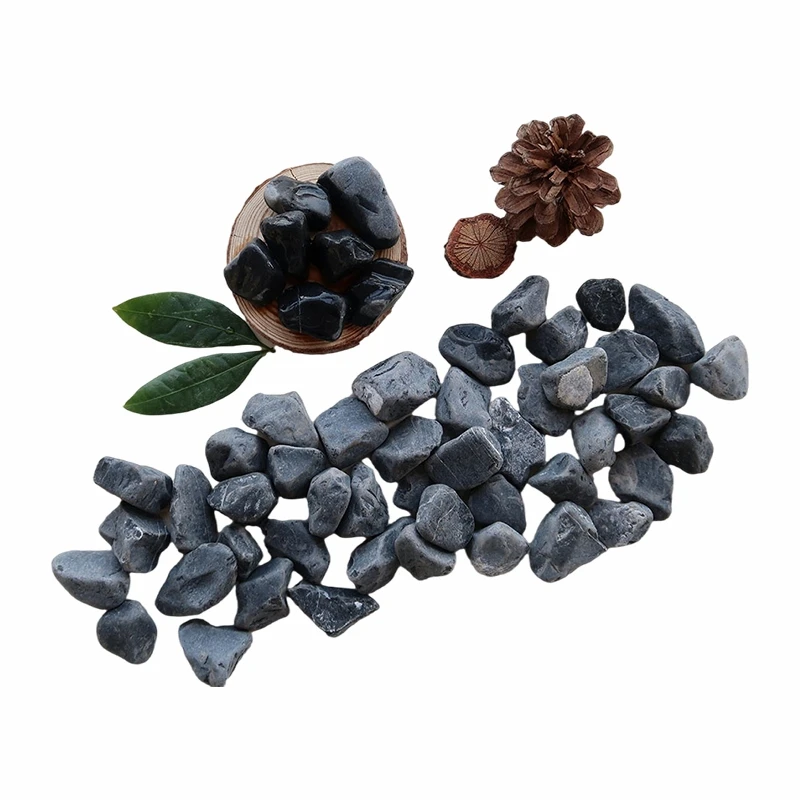
As a gravel supplier, I recommend checking the depth of the gravel at least once a year. The ideal depth for a gravel driveway is typically around 3 - 4 inches. If the depth has decreased, it's time to add more gravel. You can choose from a variety of gravel types, depending on your aesthetic preferences and the specific needs of your driveway. For example, Black Cobblestones offer a sleek and modern look, while Black Smooth Pea Gravel is known for its smooth texture and excellent drainage properties. Decorative Polished Red Stones can add a pop of color to your driveway.
When adding new gravel, spread it evenly over the driveway using a rake or a shovel. Make sure to compact the new gravel to ensure it integrates well with the existing gravel. You can use a hand tamper or a mechanical compactor for this purpose.
Water Management
Proper water management is essential for the longevity of your gravel driveway. Water can cause a variety of problems, including erosion, pothole formation, and the growth of mold and mildew. To manage water effectively, ensure that your driveway has proper drainage.
Check the slope of your driveway regularly. It should slope away from your house or any buildings to prevent water from pooling. If you notice any areas where water is pooling, you may need to re - grade the driveway to improve the drainage. You can also install a French drain along the sides of the driveway to collect and redirect water.
During heavy rain, monitor the driveway for any signs of erosion. If you see gravel being washed away, you may need to take additional measures such as adding a layer of geotextile fabric under the gravel to prevent it from shifting.
Snow and Ice Removal
In areas with cold winters, snow and ice removal is an important part of maintaining a gravel driveway. Using a snowplow on a gravel driveway can be tricky, as it can easily scoop up the gravel along with the snow. Instead, use a snow shovel or a snow blower.
When shoveling snow, be careful not to dig too deeply into the gravel. Start from the edges of the driveway and work your way in. If you're using a snow blower, set it to a height that allows it to remove the snow without disturbing the gravel.

To prevent ice from forming, you can use a de - icing agent. However, be cautious when using de - icing agents on a gravel driveway, as some agents can damage the gravel or cause it to become slippery. Choose a de - icing agent that is safe for use on gravel surfaces.
Edge Maintenance
The edges of your gravel driveway are often the most vulnerable areas. They can be damaged by vehicles driving too close to the edge or by the expansion and contraction of the soil. To maintain the edges, you can install edging.
Edging can be made of various materials such as plastic, metal, or concrete. It helps to keep the gravel in place and gives the driveway a neat and finished look. Make sure the edging is properly installed and secured. Check it regularly for any signs of damage or displacement, and repair or replace it as needed.
Conclusion
Maintaining a gravel driveway requires a combination of regular inspection, debris clearing, weed control, gravel replenishment, water management, snow and ice removal, and edge maintenance. By following these tips, you can ensure that your gravel driveway remains in excellent condition for years to come.
As a gravel supplier, I'm here to help you with all your gravel needs. Whether you're looking to replenish your existing gravel or install a new driveway, I can provide you with high - quality gravel products and expert advice. If you're interested in discussing your gravel requirements or have any questions about gravel driveway maintenance, please feel free to reach out. I look forward to assisting you in creating and maintaining a beautiful and functional gravel driveway.
References
- "Gravel Driveway Maintenance Guide" - Home Improvement Magazine
- "The Complete Book of Gravel Driveways" - Landscaping Press