



Hey there! If you're like me, you've probably had that moment where you look at your existing driveway and think, "Man, it could use a little something extra." Well, adding crushed gravel might just be the answer you're looking for. I'm an actual crushed gravel supplier, so I've seen firsthand how a fresh layer of this stuff can transform a lackluster driveway into a real show - stopper. Let's dive right in and talk about how to add crushed gravel to an existing driveway.
Step 1: Assess Your Driveway
Before you start dumping gravel all over the place, it's important to take a good look at your driveway. Check for any major cracks, potholes, or uneven areas. If you've got some small cracks, you can usually fill them in with some driveway patching compound. For larger potholes, though, you might need to dig them out and fill them with a base layer of compacted gravel.
I once had a customer who skipped this step. They just threw the gravel on top of a super uneven driveway, and within a few months, the gravel was all lumpy and uneven too. So, take your time and make sure your driveway is in decent shape before proceeding.
Step 2: Decide on the Type of Crushed Gravel
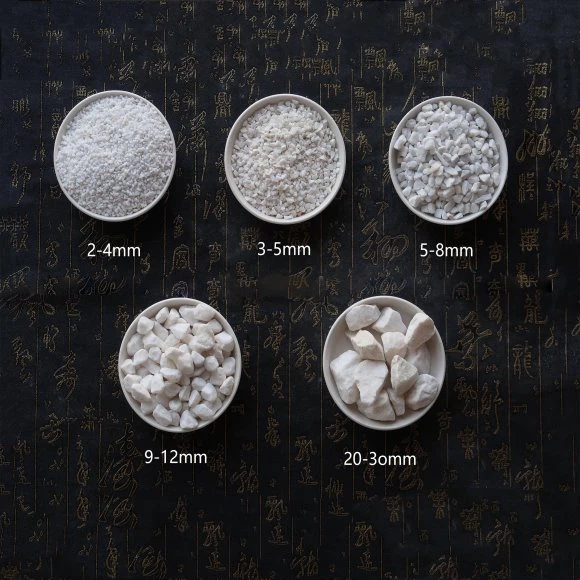
There are tons of different types of crushed gravel out there. For example, Natural Cream Gravel gives a really light, bright look to your driveway. It's great if you want to make your property look more open and airy. On the other hand, Construction Black Crushed Gravel is more durable and gives a sleek, modern look. And then there's Black Pea Gravel, which has a really unique texture and is perfect for adding some character.
If you're not sure which one to choose, think about the overall aesthetics of your home and the style you're going for. Also, consider the climate in your area. Some types of gravel are better suited to cold, wet weather, while others hold up well in hot, dry conditions.
Step 3: Measure Your Driveway
You don't want to end up with too much or too little gravel. To figure out how much you need, measure the length, width, and depth of the area where you'll be adding the gravel. You can use a tape measure to get the length and width. For the depth, aim for about 2 - 3 inches for a new layer of gravel on an existing driveway.

Once you've got those measurements, you can calculate the volume. Just multiply the length by the width by the depth (convert all measurements to the same unit, like feet). Then, depending on the density of the gravel you choose, you can figure out how many tons or cubic yards you'll need. If you're still confused, I'm here to help. Just give me a holler and I'll walk you through it.
Step 4: Prepare the Surface
Before you spread the gravel, clear the driveway of any debris like leaves, twigs, or dirt. You can use a broom or a leaf blower to get it nice and clean. This will help the gravel settle better and bond with the existing surface.
If you're worried about weeds growing through the gravel, you might want to lay down a weed - barrier fabric. Just unroll it over the driveway and cut it to fit. Then, secure the edges with landscape staples. It's an extra step, but it'll save you a ton of headache in the long run.
Step 5: Order Your Gravel
Now that you know what type of gravel you want and how much you need, it's time to place your order. As a crushed gravel supplier, I can tell you that it's always a good idea to order a little extra, just in case. You don't want to run out halfway through the project.
We offer high - quality Manufactured Quartz Sand and other crushed gravel products. When you order from us, you can trust that you're getting top - notch materials that will last. And if you need advice on the quantity or type of gravel, our team is always happy to assist. We're not just here to sell you stuff; we want to make sure your project turns out great.
Step 6: Spread the Gravel
Once the gravel is delivered, it's time to start spreading it. You can use a shovel to move the gravel around, but for larger driveways, a wheelbarrow and a rake are your best friends. Start by dumping the gravel in small piles along the driveway, then use the rake to spread it out evenly.
Work in small sections at a time, making sure the gravel is spread to the desired depth. Try to keep the edges of the gravel layer straight for a more professional look. If you're adding multiple layers, make sure each layer is compacted before adding the next one. You can use a hand tamper or a plate compactor for this.
Step 7: Compact the Gravel
Compacting the gravel is crucial for a stable and long - lasting driveway. As you're spreading the gravel, use a compactor to press it down. This will help the gravel particles lock together and prevent them from shifting around.
If you don't have a compactor, you can rent one from a local equipment rental store. It might seem like an extra expense, but it's definitely worth it. A well - compacted gravel driveway will be much less likely to develop ruts and potholes over time.
Step 8: Maintain Your Gravel Driveway
Adding crushed gravel to your driveway isn't a one - and - done deal. You'll need to do some regular maintenance to keep it looking great. Every once in a while, you'll need to add a little more gravel to fill in any areas that have settled or eroded. Also, make sure to keep the driveway clean by sweeping away debris.
If you live in an area with heavy snow or rain, you might need to do some extra maintenance. For example, after a big snowstorm, use a snowplow or a shovel to clear the snow carefully so you don't disturb the gravel too much.
Well, there you have it - a step - by - step guide on how to add crushed gravel to an existing driveway. As a Sand Gravel Supplier, I've helped a ton of people transform their driveways with crushed gravel.
If you're thinking about starting this project and need some advice on the type of gravel, the quantity, or anything else, don't hesitate to reach out. We're here to make sure you have everything you need for a successful driveway upgrade. Let's get your driveway looking amazing!
References
- "Driveway Construction and Maintenance Guide," Home Improvement Association.
- "Types of Gravel for Driveways," Landscape Supply Magazine.