



As a supplier of Black Polished Stones, I've encountered numerous inquiries regarding the cleavage of these exquisite stones. Cleavage, in the realm of geology, refers to the tendency of a mineral to break along flat, parallel planes due to internal structural weaknesses. Understanding the cleavage of black polished stones is crucial for both their extraction, processing, and aesthetic applications.
Black polished stones come in a variety of types, each with its own unique cleavage characteristics. One of the most common types is black granite. Granite is an igneous rock composed mainly of quartz, feldspar, and mica. In general, granite does not have well - defined cleavage planes. This is because its minerals are interlocked in a random, granular texture during the cooling and solidification process. The lack of cleavage makes black granite a highly durable choice for various applications, such as countertops, flooring, and exterior cladding. Its resistance to breakage along specific planes means that it can withstand significant stress without fracturing easily. When we polish black granite, we are able to showcase its beautiful, speckled appearance, which is a result of the different minerals present in the rock.
Another type of black polished stone is black slate. Slate is a fine - grained metamorphic rock that is formed from the compaction and recrystallization of shale. Slate has excellent cleavage, which is known as slaty cleavage. This type of cleavage is caused by the alignment of platy minerals, such as mica, during the metamorphic process. The slaty cleavage allows slate to be split into thin, flat sheets with relative ease. This property makes black slate a popular choice for roofing tiles, wall cladding, and decorative items. When polished, black slate has a smooth, velvety finish that can add a touch of elegance to any space.
Marble is also a well - known type of black polished stone. Marble is a metamorphic rock that is formed from the recrystallization of limestone or dolomite. The cleavage of marble depends on the type of carbonate minerals present. Calcite, a common mineral in marble, has three directions of perfect cleavage. This means that marble can break along these planes, creating smooth, flat surfaces. However, the quality of cleavage can vary depending on the purity and grain size of the marble. High - quality black marble, when polished, can have a luxurious, reflective surface that is often used in high - end interior design projects, such as bathrooms and lobbies.
The cleavage of black polished stones has a significant impact on their processing. For stones with well - defined cleavage, such as slate, the splitting process can be relatively straightforward. Workers can use simple tools to split the slate along its cleavage planes, creating thin, uniform sheets. In contrast, stones like granite, which lack cleavage, require more advanced cutting and shaping techniques. Diamond - tipped saws are often used to cut granite into the desired shapes and sizes. During the polishing process, the cleavage properties of the stone also need to be considered. Stones with cleavage may require more careful handling to prevent chipping or cracking along the cleavage planes.
In terms of aesthetic applications, the cleavage of black polished stones can be both an advantage and a challenge. The smooth, flat surfaces created by cleavage can enhance the visual appeal of the stone. For example, the slaty cleavage of black slate can give it a unique, layered appearance that is highly sought after in decorative applications. On the other hand, the potential for breakage along cleavage planes means that extra care must be taken during installation and use. For instance, in a high - traffic area where a black marble floor is installed, proper support and reinforcement may be required to prevent the marble from cracking along its cleavage planes.

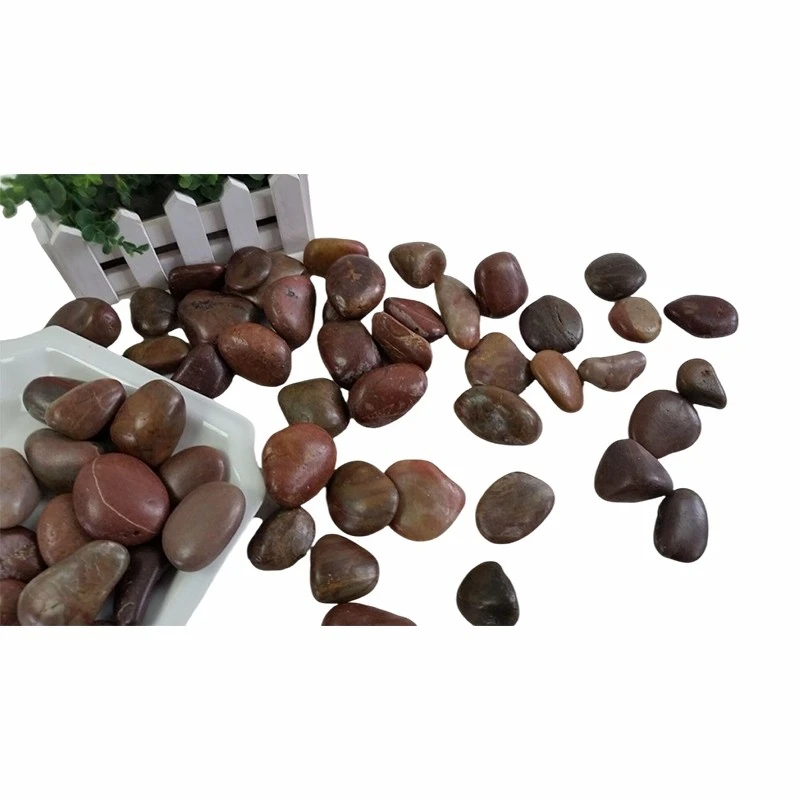
When it comes to our product range, we not only offer high - quality black polished stones but also a variety of other polished stones. If you are interested in exploring different colors and types of polished stones, we recommend checking out our Multicolor Polished Pebbles. These pebbles come in a wide range of colors and can be used for landscaping, aquarium decoration, and more. Our Decorative Polished Red Stones are another great option for adding a pop of color to your projects. They can be used in gardens, patios, or as decorative accents in indoor spaces. And for those who are looking for something unique, our Polished Yellow River Stones have a distinct appearance that is inspired by the natural beauty of the Yellow River.
Understanding the cleavage of black polished stones is essential for anyone involved in the stone industry, whether you are a designer, architect, or contractor. It helps in the selection of the right stone for a particular application, the proper processing of the stone, and the long - term maintenance of the finished product.
If you are interested in purchasing black polished stones or any of our other polished stone products, we invite you to contact us for a detailed discussion. We can provide you with samples, pricing information, and technical support to ensure that you make the best choice for your project. Our team of experts is always ready to assist you in finding the perfect stones to meet your needs.
References
- "Petrology: Igneous, Sedimentary, and Metamorphic" by Frank Press and Raymond Siever.
- "The Earth: An Introduction to Physical Geology" by Edward J. Tarbuck and Frederick K. Lutgens.
- "Geology of Building Stones" by David W. Merritt.