



Smooth white pebbles are a popular choice for various decorative and functional purposes, from landscaping and gardening to interior design and crafts. As a supplier of Smooth White Pebbles, I often get asked about their hardness. Understanding the hardness of these pebbles is crucial for customers who want to ensure they are making the right choice for their specific needs. In this blog post, I'll delve into what determines the hardness of smooth white pebbles, why it matters, and how it can impact your projects.
What Determines the Hardness of Smooth White Pebbles?
The hardness of smooth white pebbles is primarily determined by their mineral composition. Most smooth white pebbles are made of quartz, a mineral known for its high hardness. Quartz has a hardness of 7 on the Mohs scale, which is a standard scale used to measure the relative hardness of minerals. The Mohs scale ranges from 1 (the softest, like talc) to 10 (the hardest, like diamond). A hardness of 7 means that quartz is relatively hard and resistant to scratching.
The formation process of the pebbles also plays a role in their hardness. Smooth white pebbles are often formed through natural processes such as erosion and abrasion over long periods. This natural weathering can further strengthen the pebbles, making them more durable. Additionally, the source of the pebbles can influence their hardness. Pebbles from different geographical locations may have slightly different mineral compositions and levels of hardness due to variations in the local geology.
Why Does the Hardness of Smooth White Pebbles Matter?
The hardness of smooth white pebbles is important for several reasons. Firstly, it affects the durability of the pebbles. In landscaping projects, for example, the pebbles may be exposed to foot traffic, weather conditions, and other forms of wear and tear. A harder pebble will be more resistant to chipping, scratching, and breaking, ensuring that the landscaping retains its aesthetic appeal for a longer time.
In interior design applications, such as using smooth white pebbles in aquariums or as decorative elements in vases, the hardness of the pebbles is also crucial. Harder pebbles are less likely to release particles or chemicals into the water, which is important for maintaining a healthy environment for fish and other aquatic life. They are also more resistant to damage from cleaning and handling, making them a practical choice for long - term use.
How Does Hardness Impact Different Projects?
Landscaping
In landscaping, the hardness of smooth white pebbles can determine their suitability for different areas. For high - traffic areas like pathways or driveways, harder pebbles are essential. They can withstand the pressure of vehicles and people walking on them without getting damaged easily. On the other hand, for decorative borders or garden beds where there is less physical stress, pebbles with slightly lower hardness may still be sufficient.
Interior Design
When used in interior design, the hardness of smooth white pebbles affects their appearance and functionality. In a bathroom, for example, pebbles used in a shower floor need to be hard enough to resist the constant water flow and the pressure of people standing on them. A softer pebble may start to wear down quickly, losing its smooth surface and becoming less hygienic. In decorative displays, harder pebbles maintain their shape and shine, enhancing the overall aesthetic of the space.
Crafts
In crafts, the hardness of smooth white pebbles determines how they can be worked with. Harder pebbles are more difficult to carve or shape, but they are also more likely to hold their form over time. This makes them suitable for projects where a long - lasting finish is required, such as creating permanent decorative pieces or sculptures.
Comparing Smooth White Pebbles with Other Types of Stones
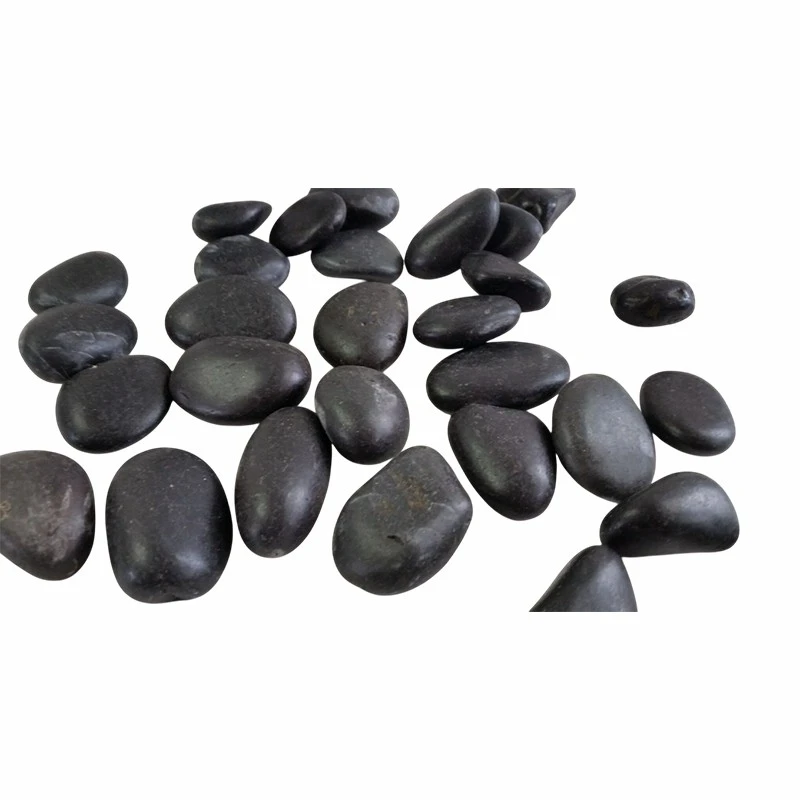
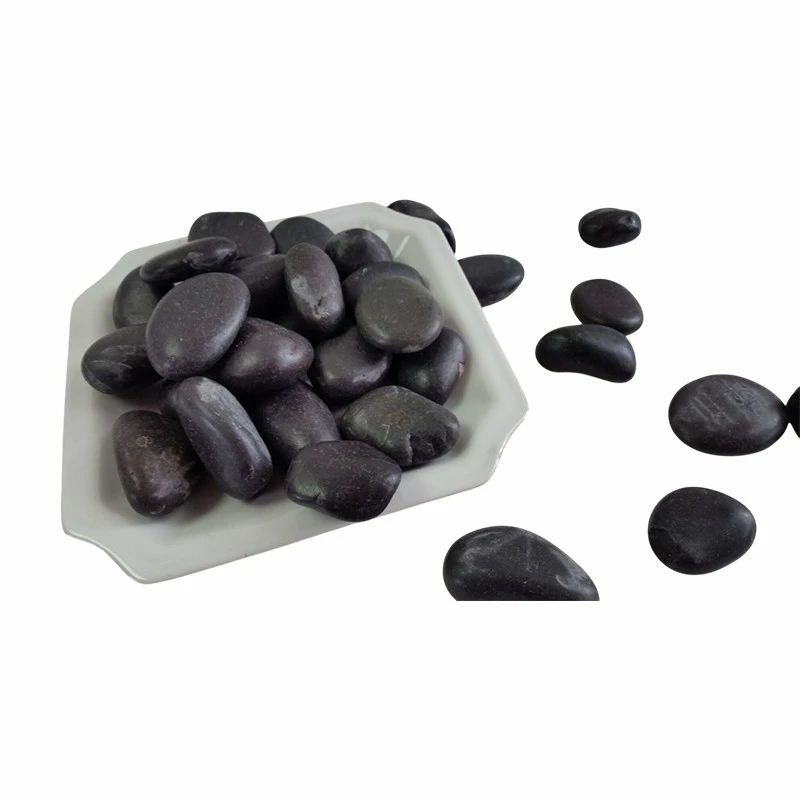
It's interesting to compare the hardness of smooth white pebbles with other types of stones available in the market. For instance, Black Polished Stones also have a certain level of hardness, which may vary depending on their mineral composition. Some black polished stones may be made of basalt, which has a hardness of around 6 on the Mohs scale. This is slightly lower than quartz - based smooth white pebbles, which means they may be more prone to scratching.
Multicolor Polished Pebbles come in a variety of colors and compositions. Their hardness can also vary widely, depending on the specific minerals present in each pebble. Some multicolor polished pebbles may be a combination of different minerals, which can result in a range of hardness levels.
Ensuring Quality and Hardness of Our Smooth White Pebbles
As a supplier of Smooth White Pebbles, we take great care to ensure the quality and hardness of our products. We source our pebbles from reliable suppliers who can provide detailed information about the mineral composition and origin of the stones. Before we offer the pebbles to our customers, we conduct thorough quality checks to ensure that they meet our high standards of hardness and durability.
We also provide our customers with information about the hardness of the pebbles, so they can make an informed decision based on their specific needs. Whether you are a professional landscaper, an interior designer, or a DIY enthusiast, we are committed to providing you with smooth white pebbles that are not only beautiful but also hard - wearing and long - lasting.
Conclusion
The hardness of smooth white pebbles is a key factor that affects their suitability for various projects. Determined by their mineral composition, formation process, and source, the hardness of these pebbles impacts their durability, functionality, and aesthetic appeal. Whether you are using them in landscaping, interior design, or crafts, understanding the hardness of smooth white pebbles can help you choose the right product for your needs.
If you are interested in purchasing our high - quality smooth white pebbles or have any questions about their hardness and suitability for your project, please feel free to contact us. We are here to assist you in making the best choice for your specific requirements.
References
- "The Properties of Quartz." Mineralogy Society.
- "Landscaping with Pebbles: A Guide to Durability." Landscape Design Magazine.
- "Interior Design with Stones: Hardness and Aesthetics." Interior Design Journal.