



Hey there! As a supplier of Black Smooth Pea Gravel, I often get asked about its pH level. It's a valid question, especially for those who plan to use it in various applications like aquariums, gardens, or construction projects. So, let's dive into what the pH of Black Smooth Pea Gravel is all about.
What is pH?
First off, let's quickly go over what pH means. pH is a measure of how acidic or basic a substance is. It's measured on a scale from 0 to 14. A pH of 7 is considered neutral, below 7 is acidic, and above 7 is basic. Understanding the pH of materials is crucial because it can affect the environment where they're used. For example, in an aquarium, the wrong pH can harm the fish and other aquatic life. In a garden, it can impact the growth of plants.
The pH of Black Smooth Pea Gravel
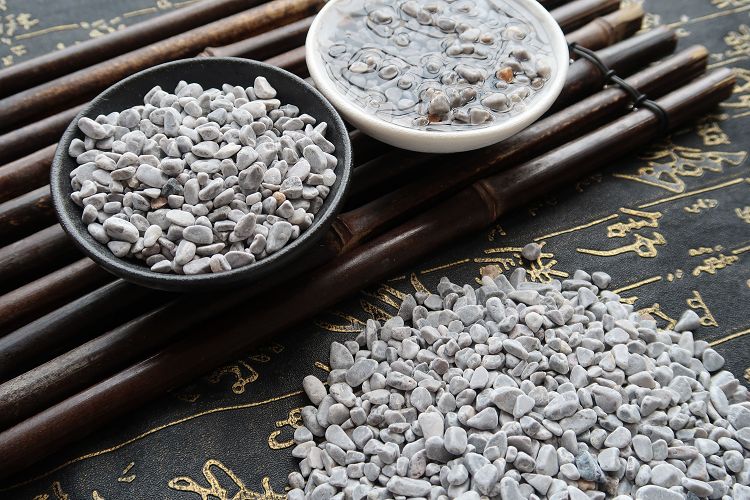
The pH of Black Smooth Pea Gravel can vary depending on a few factors. Generally, pea gravel is made up of small, rounded stones. These stones are often composed of materials like quartz, limestone, or granite. Each of these materials has a different impact on the pH.
Quartz is relatively inert, which means it doesn't have a significant effect on the pH. So, if your Black Smooth Pea Gravel is mainly quartz, it's likely to be close to neutral. On the other hand, limestone is a basic material. If the gravel contains a lot of limestone, it can raise the pH of the surrounding environment. Granite can also have an impact, but it usually doesn't cause as extreme a change as limestone.
In most cases, Black Smooth Pea Gravel has a pH that's slightly on the basic side, usually around 7.5 to 8.5. However, this can vary based on the source of the gravel and the specific composition. If you're using the gravel in an aquarium, it's a good idea to test the water regularly to make sure the pH stays within a safe range for your fish.

Applications and pH Considerations
Aquariums
In an aquarium, the pH of the water is super important for the health of the fish and other inhabitants. If you're using Black Smooth Pea Gravel in your aquarium, you need to be aware of its potential impact on the water's pH. As I mentioned earlier, if the gravel contains limestone, it can raise the pH. This might be okay for some fish species that prefer a more basic environment, like African cichlids. But for others, like tetras or discus, a higher pH can be stressful and even harmful.
Before adding the gravel to your aquarium, it's a good idea to soak it in water for a few days and test the water's pH regularly. This will give you an idea of how the gravel will affect the water. You can also use a pH buffer to adjust the water's pH if needed. And if you're looking for a different type of gravel for your aquarium, check out our Fish Aquarium Gravel.
Gardens
In a garden, the pH of the soil can affect the growth of plants. Some plants prefer acidic soil, while others do better in basic soil. If you're using Black Smooth Pea Gravel as a mulch or in a garden pathway, it's important to consider its impact on the soil's pH. If the gravel has a basic pH, it could gradually raise the pH of the soil over time. This might be beneficial for plants that prefer a more basic environment, but it could be a problem for acid-loving plants like azaleas or blueberries.
You can test the soil's pH before and after adding the gravel to see if there's a significant change. If you need to adjust the soil's pH, you can use lime to raise it or sulfur to lower it. And if you're interested in a different type of gravel for your garden, take a look at our Grey Garden Pathway Gravel.
Construction
In construction projects, the pH of the gravel might not be as critical as in aquariums or gardens. However, it can still have an impact on the performance of the materials it's used with. For example, if the gravel is used in concrete, a high pH could affect the setting time and strength of the concrete. It's important to consider the pH of the gravel when choosing it for construction projects. And if you're looking for a washed gravel for your construction needs, check out our Washed Gravel.
How to Test the pH of Black Smooth Pea Gravel
If you want to know the exact pH of your Black Smooth Pea Gravel, you can test it yourself. You'll need a pH testing kit, which you can buy at most hardware stores or online. Here's how to do it:
- Take a small sample of the gravel and put it in a clean container.
- Add enough distilled water to cover the gravel.
- Stir the mixture gently and let it sit for a few hours.
- Use the pH testing kit to measure the pH of the water.
- Record the results.
Keep in mind that this is just a rough estimate of the gravel's pH. The actual pH in a real-world application might be different due to factors like water flow, temperature, and the presence of other substances.
Conclusion
So, there you have it! The pH of Black Smooth Pea Gravel can vary, but it's usually slightly on the basic side. Whether you're using it in an aquarium, a garden, or a construction project, it's important to consider its impact on the environment. By testing the gravel and being aware of its pH, you can make sure it's the right choice for your needs.
If you're interested in purchasing Black Smooth Pea Gravel or any of our other products, feel free to reach out for a quote or to discuss your specific requirements. We're here to help you find the perfect gravel for your project.
References
- "The Science of pH" - General chemistry textbooks
- "Aquarium Water Chemistry" - Aquarium hobbyist magazines
- "Soil pH and Plant Growth" - Horticulture resources