



Hey there, fellow gravel enthusiasts! As a supplier of Black Smooth Pea Gravel, I've been getting a lot of questions lately about its sound absorption property. So, I thought I'd take a deep dive into this topic and share what I've learned.
First off, let's talk about what sound absorption actually means. Sound absorption is the process by which sound energy is converted into heat energy when it hits a material. The more sound a material can absorb, the less it reflects, and the quieter the environment becomes. Materials with good sound absorption properties are often used in places where noise reduction is important, like recording studios, theaters, and even some homes.
Now, onto our star of the show: Black Smooth Pea Gravel. This type of gravel is known for its smooth, rounded shape and sleek black color, which makes it a popular choice for decoration in gardens, pathways, and water features. But what about its sound absorption capabilities?
One of the key factors that determine a material's sound absorption is its porosity. Porous materials have lots of tiny holes and channels that allow sound waves to enter and get trapped, where they bounce around and lose energy due to friction. Black Smooth Pea Gravel has a certain degree of porosity, although it's not as high as some dedicated sound - absorbing materials like acoustic foams.
When sound waves hit a layer of Black Smooth Pea Gravel, a portion of the sound energy is absorbed as the waves make their way through the spaces between the gravel particles. The irregular arrangement of the gravel also helps to scatter the sound waves, further reducing the amount of sound that is reflected back.
In outdoor settings, such as a garden or a patio, Black Smooth Pea Gravel can be quite effective at reducing noise. For example, if you have a busy street nearby, placing a layer of this gravel around your garden can help to muffle the sounds of traffic. The gravel acts as a buffer, absorbing and scattering the sound waves before they reach the more sensitive areas of your yard.
It's also worth noting that the thickness of the gravel layer matters. A thicker layer of Black Smooth Pea Gravel will generally absorb more sound than a thin one. If you're using it for sound absorption purposes, I'd recommend a layer that's at least a few inches thick.
Compared to other types of gravel, Black Smooth Pea Gravel has some unique advantages when it comes to sound absorption. For instance, Decorative Yellow Gravel is more commonly used for its aesthetic appeal, but its sound absorption properties might not be as good as Black Smooth Pea Gravel, mainly because the shape and composition could result in fewer sound - trapping spaces. On the other hand, Grey Garden Pathway Gravel can be used in similar applications, but again, the sound absorption can vary based on its texture and particle size.
In addition to its sound - absorbing qualities, Black Smooth Pea Gravel has other benefits that make it a great choice for many projects. It's durable and low - maintenance, which means you won't have to worry about it breaking down easily or spending a lot of time taking care of it. And of course, its black color adds a touch of elegance to any outdoor space.
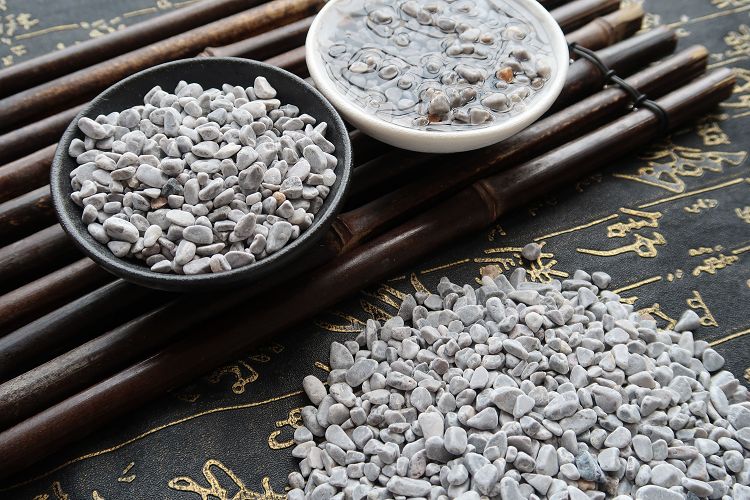

So, if you're in the market for a material that can both enhance the look of your outdoor area and reduce noise, Black Smooth Pea Gravel might be the perfect solution. Whether you're creating a peaceful garden retreat or want to make your patio a quieter place to relax, this gravel can do the job.
If you're interested in purchasing Black Smooth Pea Gravel for your project, I'd love to talk to you. We offer high - quality gravel at competitive prices, and we can work with you to determine the right amount and delivery options for your needs. Don't hesitate to reach out and start the conversation about how we can help you transform your outdoor space.
References
- Textbooks on acoustics and materials science, which cover the general principles of sound absorption and the properties of different materials.
- Industry reports on the use of gravel in landscaping and noise reduction.
- Case studies of real - world applications where gravel has been used for sound management.