



Can Premium White Garden Pebbles be used for a woodland garden?
As a supplier of Premium White Garden Pebbles, I often get asked about the versatility of these beautiful stones, especially when it comes to unique garden settings like woodland gardens. Woodland gardens are known for their natural, rustic charm, filled with native plants, dappled sunlight, and a sense of tranquility. So, the question arises: Can premium white garden pebbles find a place in such an environment?
Aesthetic Considerations
One of the first things to consider is the aesthetic impact of white pebbles in a woodland garden. Woodland gardens typically feature earthy tones, with browns, greens, and the muted colors of fallen leaves and bark. At first glance, the bright white of premium garden pebbles might seem out of place. However, when used strategically, they can create a striking contrast that adds visual interest.
Imagine a path winding through a woodland garden. Lining the edges with white pebbles can help define the path, making it more visible and inviting. The white stones can also act as a focal point, drawing the eye to specific areas of the garden. For example, a small clearing with a cluster of white pebbles surrounded by native wildflowers can create a peaceful and serene spot.
In addition to paths and clearings, white pebbles can be used to create accents around water features. A small pond or a bubbling stream in a woodland garden can be enhanced by a border of white pebbles. The reflection of the white stones in the water can add a touch of elegance and create a sense of movement.
Practical Benefits
Beyond aesthetics, premium white garden pebbles offer several practical benefits for a woodland garden. One of the main advantages is weed suppression. By covering the soil with a layer of pebbles, you can prevent weeds from germinating and competing with your plants for nutrients and water. This is especially important in a woodland garden, where maintaining a natural and low - maintenance look is often a priority.
Another practical benefit is moisture retention. The pebbles can help to slow down the evaporation of water from the soil. In a woodland environment, where the soil can dry out quickly, this can be crucial for the health of your plants. The pebbles act as a barrier, reducing the amount of direct sunlight that reaches the soil and keeping it moist for longer periods.
White pebbles are also relatively easy to clean and maintain. Unlike organic mulches, they do not decompose or attract pests. This means that you can spend more time enjoying your woodland garden and less time on upkeep.
Compatibility with Woodland Plants
When using white pebbles in a woodland garden, it's important to consider the compatibility with the native plants. Most woodland plants prefer a slightly acidic soil and a shady environment. The white pebbles themselves do not affect the soil pH significantly, but they can influence the microclimate around the plants.
Since the pebbles reflect sunlight, they can increase the amount of light reaching the lower parts of the plants. This can be beneficial for some plants that require a bit more light, but it may not be suitable for those that thrive in deep shade. It's important to choose plants that can tolerate the additional light and the conditions created by the pebbles.
Native ferns, for example, are a great choice for a woodland garden with white pebbles. They can tolerate the partial shade and the slightly altered microclimate. Other suitable plants include wildflowers such as trilliums, violets, and bleeding hearts. These plants can coexist well with the white pebbles and add to the natural beauty of the garden.
Combining with Other Pebble Types
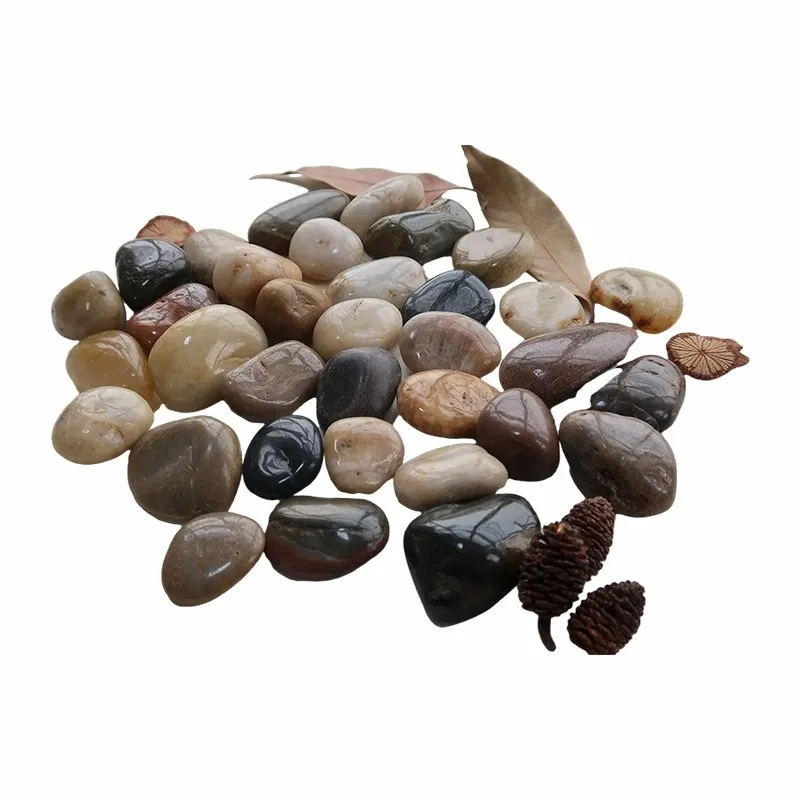
To create a more diverse and natural look in your woodland garden, you can consider combining premium white garden pebbles with other types of pebbles. Glossy Multicolor Pebbles can add a splash of color and texture. You can mix them with the white pebbles to create a more organic and visually appealing pattern.
High - Polished Black Pebbles can also be used in combination with white pebbles. The black stones can create a dramatic contrast with the white, adding depth and complexity to the garden design. For example, you could create a checkerboard pattern with white and black pebbles along a path or use them to create a mosaic - like design in a clearing.
Considerations for Installation
When installing premium white garden pebbles in a woodland garden, there are a few things to keep in mind. First, make sure to prepare the area properly. Remove any existing weeds or debris and level the soil. You may also want to lay a landscape fabric underneath the pebbles to further prevent weed growth.
The depth of the pebble layer is also important. For most applications, a layer of 2 - 3 inches is sufficient. This provides enough coverage for weed suppression and moisture retention without being too thick.
It's also important to consider the source of the pebbles. Make sure that they are environmentally friendly and sourced from sustainable quarries. This ensures that your use of the pebbles is in line with the natural and eco - friendly ethos of a woodland garden.

Conclusion
In conclusion, premium white garden pebbles can indeed be used effectively in a woodland garden. When used strategically, they can enhance the aesthetic appeal, offer practical benefits, and be compatible with native plants. Whether you use them to line paths, accent water features, or create focal points, white pebbles can add a unique and elegant touch to your woodland garden.
If you're interested in incorporating premium white garden pebbles into your woodland garden, or if you have any questions about our products, we'd love to hear from you. We can provide you with more information about the different types of pebbles we offer, including Glossy Multicolor Pebbles and High - Polished Black Pebbles. Contact us to start a discussion about your garden project and how our pebbles can help you create the perfect outdoor space.
References
- "The Well - Tended Perennial Garden" by Tracy DiSabato - Aust
- "Native Plants for North American Gardens" by Thomas Rainer and Claudia West