



Hey there! I'm a supplier of rounded gravel, and I often get asked how to make rounded gravel more compact. Well, you've come to the right place. In this blog, I'll share some practical tips and tricks that you can use to achieve a more compact and stable rounded gravel surface.
First off, let's understand why making rounded gravel more compact is important. A compact gravel surface is more stable, which means it's less likely to shift or spread out over time. This is especially crucial for areas like driveways, pathways, or patios, where you want a smooth and even surface for walking or driving. A compact gravel layer also helps to prevent weed growth by reducing the space between the gravel pieces where weeds can take root.
Choose the Right Type of Rounded Gravel
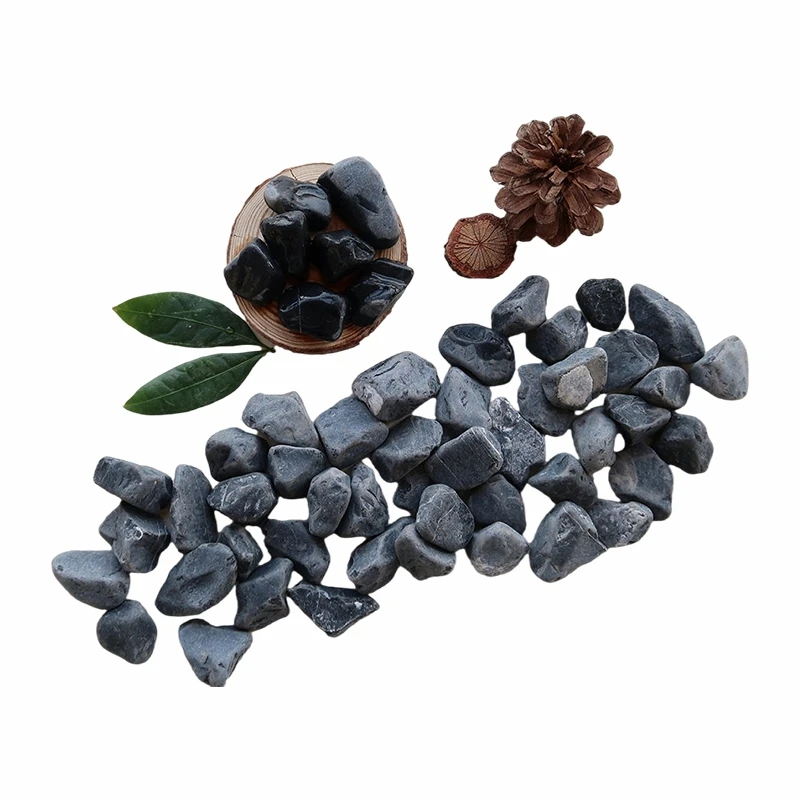
The type of rounded gravel you choose plays a significant role in how compact it can get. We offer a variety of rounded gravel options, such as Black Smooth Pea Gravel, Natural Green Tumbled Gravel, and Grey Garden Pathway Gravel.
Smaller-sized gravel, like pea gravel, tends to compact more easily than larger pieces. This is because the smaller stones can fit together more tightly, filling in the gaps between each other. However, larger gravel can also be compacted effectively if you follow the right steps.
Prepare the Base
Proper base preparation is key to achieving a compact gravel surface. Start by clearing the area of any debris, vegetation, or loose soil. You want a clean and level surface to work with. Use a shovel or a rake to remove any bumps or uneven spots.
Next, you may want to add a layer of geotextile fabric. This fabric helps to prevent the gravel from sinking into the soil below and also stops weeds from growing through the gravel. Lay the geotextile fabric over the cleared area and secure it in place with landscape staples.
Lay the Gravel in Layers
Rather than dumping all the gravel at once, it's better to lay it in layers. This allows you to compact each layer effectively. Start by spreading a layer of gravel about 2 - 3 inches thick over the prepared base. Use a rake to level the gravel evenly.
Once the first layer is spread, it's time to compact it. You can use a hand tamper for small areas or a plate compactor for larger ones. A plate compactor is a machine that vibrates and applies pressure to the gravel, forcing the stones to settle closer together. Walk the compactor slowly and evenly over the gravel layer, making sure to cover the entire area.
After compacting the first layer, add another layer of gravel on top and repeat the leveling and compacting process. Depending on your project, you may need to add 2 - 3 layers of gravel to achieve the desired thickness and compactness.
Use a Binder
In some cases, using a binder can help to make the rounded gravel more compact. There are different types of binders available, such as polymer binders or cement-based binders.

Polymer binders are sprayed onto the gravel surface. They penetrate between the stones and harden, creating a solid and compact layer. Cement-based binders, on the other hand, are mixed with water and then spread over the gravel. They work in a similar way to concrete, binding the gravel together.
Before using a binder, make sure to read the manufacturer's instructions carefully. You may need to wet the gravel slightly before applying the binder to ensure proper adhesion.
Watering and Re - Compacting
Watering the gravel can also help with compaction. After laying and compacting each layer of gravel, lightly water the surface. The water helps to fill the small gaps between the stones and allows them to settle more easily.
Once the gravel is wet, let it sit for a few hours to allow the water to penetrate. Then, go over the surface again with the compactor. This re - compacting process after watering can significantly improve the compactness of the gravel.
Maintenance
Even after achieving a compact gravel surface, regular maintenance is important to keep it that way. Periodically check the surface for any signs of shifting or loosening. If you notice any areas that are starting to become uneven, you can add a little more gravel and re - compact the area.
Also, make sure to keep the surface clean. Remove any leaves, dirt, or debris that may accumulate on the gravel. This not only helps to maintain the appearance of the surface but also prevents the build - up of organic matter that could lead to weed growth.
Conclusion
Making rounded gravel more compact is a process that requires proper planning and execution. By choosing the right type of gravel, preparing the base, laying the gravel in layers, using binders if necessary, watering, and re - compacting, you can achieve a stable and long - lasting gravel surface.
If you're interested in purchasing high - quality rounded gravel for your project, I'd love to hear from you. Whether it's for a small garden pathway or a large driveway, we have the right gravel for you. Feel free to reach out to discuss your requirements and get a quote.
References
- "Landscape Gravel: A Guide to Types, Uses, and Installation" by Home Improvement Today
- "Gravel Compaction Techniques for Construction Projects" by Construction Weekly Magazine