



As a crushed gravel supplier, I've spent a great deal of time exploring the intricacies of this essential construction material. One of the most frequently asked questions I encounter is about the particle shape of crushed gravel. Understanding the particle shape is crucial as it significantly impacts the performance and application of crushed gravel in various construction projects.
The Basics of Crushed Gravel
Crushed gravel is a type of aggregate that is produced by crushing larger rocks into smaller pieces. These rocks can come from a variety of sources, including limestone, granite, and basalt. The crushing process is designed to break down the rocks into a range of sizes, from fine particles to larger chunks, depending on the specific requirements of the project.
Particle Shape Characteristics
The particle shape of crushed gravel can be described in terms of three main characteristics: angularity, roundness, and surface texture.
Angularity
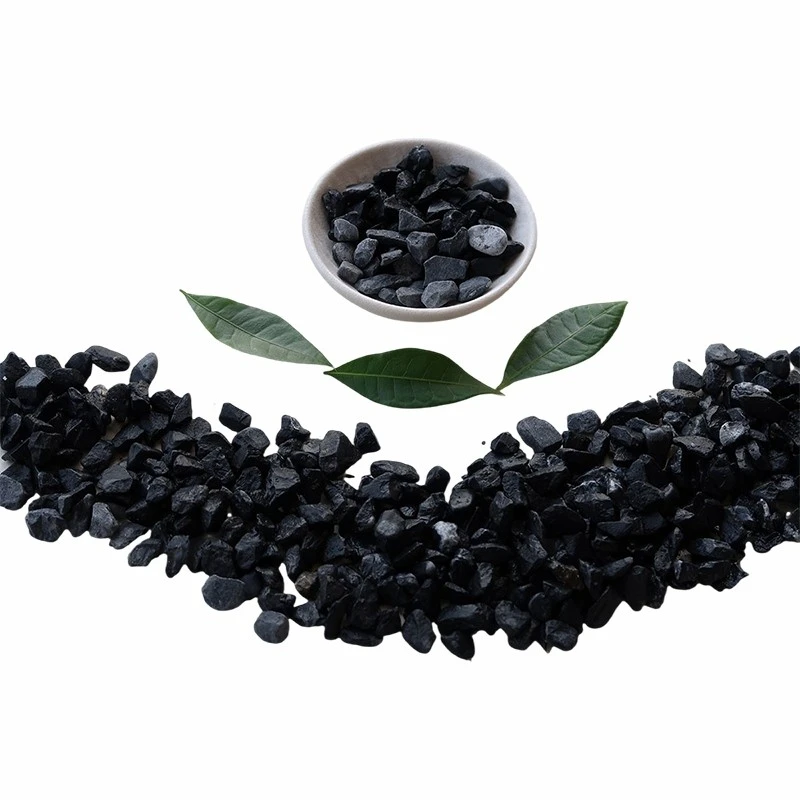
Angularity refers to the degree to which the particles have sharp corners and edges. Crushed gravel typically has a high degree of angularity because the crushing process breaks the rocks along their natural fracture planes, creating irregularly shaped particles. Angular particles interlock well with each other, providing excellent stability and load - bearing capacity. This makes angular crushed gravel ideal for applications such as base courses in road construction, where it can resist deformation under heavy traffic loads. For example, in the construction of highways, angular crushed gravel is often used as the foundation material to ensure the long - term durability of the road surface.
Roundness
Roundness, on the other hand, describes how smooth and rounded the particles are. In contrast to angular particles, rounded particles have fewer sharp edges and a more spherical shape. Natural gravel deposits, which have been subjected to erosion and abrasion over time, tend to have higher roundness. While crushed gravel is generally less round than natural gravel, some crushing processes may produce particles with a certain degree of roundness. Rounded particles have better workability and are easier to compact, which can be beneficial in some applications such as backfilling around pipes. However, they may not provide the same level of interlocking and stability as angular particles.
Surface Texture
Surface texture refers to the roughness or smoothness of the particle surface. Crushed gravel usually has a rough surface texture due to the crushing process. A rough surface texture increases the friction between particles, enhancing the cohesion and stability of the aggregate. This is particularly important in applications where the gravel needs to bind well with other materials, such as in concrete production. The rough surface of crushed gravel allows for better adhesion with the cement paste, resulting in a stronger and more durable concrete structure.
Factors Affecting Particle Shape
Several factors can influence the particle shape of crushed gravel.
Rock Type
The type of rock used to produce crushed gravel plays a significant role in determining its particle shape. Different rocks have different mineral compositions and internal structures, which affect how they break during the crushing process. For example, granite is a hard and crystalline rock that tends to produce angular particles when crushed. Limestone, on the other hand, is a sedimentary rock that may have a more variable particle shape depending on its porosity and bedding planes.
Crushing Method
The method of crushing also has a major impact on particle shape. There are several types of crushers available, including jaw crushers, cone crushers, and impact crushers. Jaw crushers typically produce more angular particles by compressing the rocks between two jaws. Cone crushers work by squeezing the rocks between a rotating mantle and a stationary bowl liner, also resulting in angular particles. Impact crushers, on the other hand, use high - speed impact forces to break the rocks, which can produce a wider range of particle shapes, including more rounded particles in some cases.
Crushing Parameters
The operating parameters of the crusher, such as the gap setting, feed rate, and speed, can also affect the particle shape. A smaller gap setting in a crusher will result in more fine - grained and angular particles, while a larger gap setting may produce coarser particles with a more variable shape. The feed rate and speed of the crusher can influence the degree of fragmentation and the energy applied to the rocks, thus affecting the final particle shape.
Applications Based on Particle Shape
The particle shape of crushed gravel determines its suitability for different applications.
Road Construction
As mentioned earlier, angular crushed gravel is widely used in road construction. It is used as a base course material to provide a stable foundation for the road surface. The interlocking nature of angular particles helps to distribute the load evenly and prevent the road from shifting or deforming under traffic. For projects where high - strength and durability are required, such as major highways and industrial roads, angular crushed gravel is the preferred choice.
Concrete Production
In concrete production, the particle shape of crushed gravel affects the workability and strength of the concrete. Angular and rough - textured particles are generally preferred as they provide better adhesion with the cement paste, resulting in a stronger concrete. However, a certain amount of well - graded particles with different shapes is also necessary to ensure good workability. For example, a combination of angular and rounded particles can help to fill the voids in the concrete mix, reducing the amount of cement required and improving the overall performance of the concrete.
Landscaping
In landscaping, both angular and rounded crushed gravel can be used. Angular crushed gravel can be used to create a more rustic and natural look, such as in gravel driveways or walkways. It provides good stability and can withstand foot traffic and light vehicle traffic. Rounded gravel, on the other hand, is often used for decorative purposes, such as in garden beds or around water features. Its smooth and rounded appearance gives a more refined and aesthetically pleasing look. You can explore our Construction Black Crushed Gravel and Natural Cream Gravel for various landscaping needs.

Quality Control of Particle Shape
As a crushed gravel supplier, ensuring the quality of the particle shape is of utmost importance. We use advanced testing methods to evaluate the particle shape of our crushed gravel. One common method is the use of image analysis techniques, which can accurately measure the angularity, roundness, and surface texture of the particles. We also conduct field tests to assess the performance of the gravel in real - world applications. By maintaining strict quality control standards, we can provide our customers with crushed gravel that meets their specific requirements.
Conclusion
The particle shape of crushed gravel is a complex but important characteristic that affects its performance and application in various industries. Whether it's for road construction, concrete production, or landscaping, understanding the particle shape can help you make the right choice of crushed gravel for your project. As a trusted crushed gravel supplier, we are committed to providing high - quality crushed gravel with the optimal particle shape for your needs. If you are interested in purchasing crushed gravel for your project, we invite you to contact us for a detailed discussion about your requirements and to explore the best options for your specific application.
References
- ASTM International. (2023). Standard Specifications for Crushed Stone Aggregates for Highway Construction. ASTM D 448 - 19.
- American Concrete Institute. (2022). Guide for Selecting Proportions for Normal, Heavyweight, and Mass Concrete. ACI 211.1 - 19.
- National Stone, Sand & Gravel Association. (2021). Aggregate Handbook. NSGA.