



Hey there! As a supplier of rounded gravel, I often get asked about the thermal conductivity of this amazing material. So, I thought I'd take some time to break it down for you and give you all the deets.
First off, let's talk about what thermal conductivity actually means. In simple terms, it's a measure of how well a material can transfer heat. A high thermal conductivity means the material can transfer heat quickly, while a low one means it's a poor heat conductor and can act as an insulator.
When it comes to rounded gravel, its thermal conductivity can vary depending on a few factors. One of the main factors is the type of rock the gravel is made from. Different rocks have different mineral compositions, and these minerals have varying abilities to conduct heat. For example, gravel made from granite, which is a common type of rock used for rounded gravel, has a relatively high thermal conductivity compared to some other rocks. Granite contains minerals like quartz and feldspar, which are good conductors of heat.
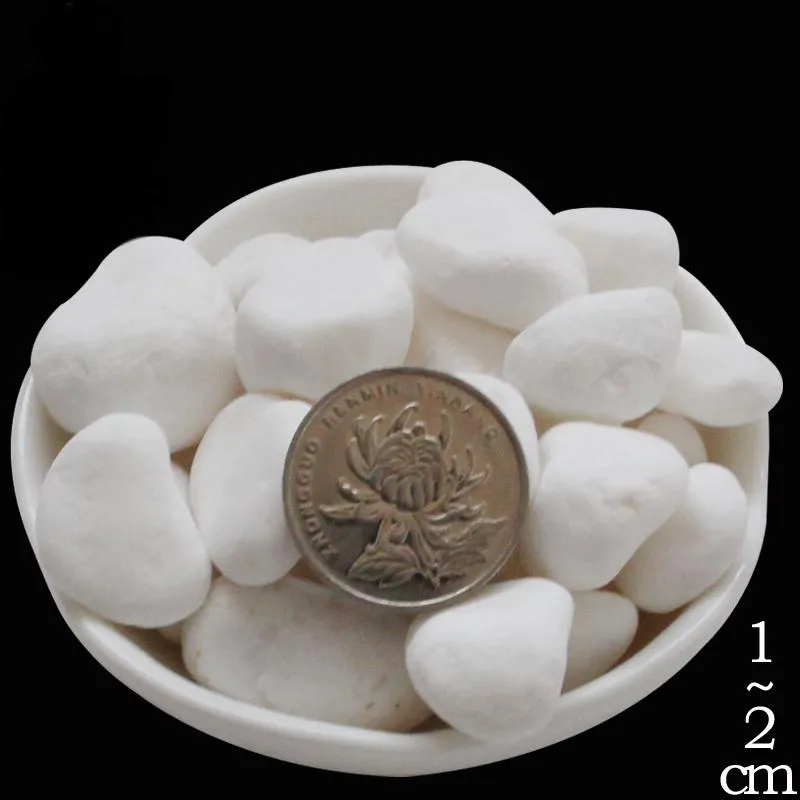
Another factor that affects the thermal conductivity of rounded gravel is its size and shape. Generally, smaller gravel particles have a higher surface - to - volume ratio. This means that there are more contact points between the particles, which can enhance heat transfer. Rounded gravel, as the name suggests, has a smooth, rounded shape. This shape allows for better packing and more efficient heat transfer compared to angular gravel, which may have gaps between the particles that can impede heat flow.

The moisture content of the gravel also plays a role. Water is a better conductor of heat than air. So, if the rounded gravel is wet, its thermal conductivity will be higher than when it's dry. When water fills the pores between the gravel particles, it provides an additional pathway for heat to travel through the material.
Now, let's get into some numbers. The thermal conductivity of rounded gravel typically ranges from about 1 to 3 W/(m·K). This is in the middle range compared to other common building materials. For instance, metals have extremely high thermal conductivities (e.g., copper has a thermal conductivity of around 400 W/(m·K)), while insulating materials like fiberglass have very low thermal conductivities (around 0.04 W/(m·K)).
So, why does the thermal conductivity of rounded gravel matter? Well, it has several practical applications. In construction, rounded gravel can be used as a base material for roads, driveways, and building foundations. Its thermal conductivity can affect how heat is distributed in these structures. For example, in cold climates, a layer of gravel with a suitable thermal conductivity can help prevent frost heave by allowing heat to be transferred more evenly through the ground.
In landscaping, rounded gravel is often used for pathways, garden beds, and decorative purposes. Its thermal properties can influence the temperature of the surrounding soil and plants. A gravel layer with a good thermal conductivity can help regulate soil temperature, keeping it warmer in the winter and cooler in the summer.
At our company, we offer a wide range of rounded gravel products. Check out our Tumbled Cream Gravel, which has a beautiful creamy color and is great for both decorative and functional uses. Our Black Smooth Pea Gravel adds a touch of elegance to any landscape, and its thermal properties make it a practical choice. And if you're looking for something a bit more unique, our Natural Green Tumbled Gravel is sure to stand out.
Whether you're a contractor working on a large - scale construction project or a homeowner looking to spruce up your yard, the thermal conductivity of our rounded gravel is something you can count on. We take pride in providing high - quality gravel that meets your needs.
If you're interested in purchasing our rounded gravel, we'd love to hear from you. Reach out to us to discuss your requirements and get a quote. We're here to help you make the best choice for your project. Our team of experts can answer any questions you have about the thermal conductivity or any other aspect of our products.
In conclusion, the thermal conductivity of rounded gravel is an important property that affects its performance in various applications. By understanding the factors that influence it, you can make an informed decision when choosing the right gravel for your project. So, don't hesitate to get in touch and start working with us on your next big thing!
References
- "Introduction to Thermal Physics" by Daniel V. Schroeder
- "Materials Science and Engineering: An Introduction" by William D. Callister Jr. and David G. Rethwisch