



As a dedicated supplier of high - polished black pebbles, I often encounter inquiries about the sourcing locations of these elegant stones. In this blog, I'll delve into the common sources of high - polished black pebbles, exploring the geological processes and regions that contribute to their formation and availability.
Geological Origins of Black Pebbles
Black pebbles are typically formed through a variety of geological processes. One of the primary factors contributing to their color is the presence of certain minerals. For example, iron - rich compounds can give pebbles a dark, blackish hue. Basalt, a common volcanic rock, is often a source of black pebbles. When basalt is weathered and eroded over time, it breaks down into smaller fragments that can be further polished by natural forces such as water in rivers and oceans.
Another possible source of black coloration in pebbles is the presence of graphite or other carbon - based minerals. These minerals can be incorporated into the rock during its formation, resulting in a dark appearance. Additionally, some black pebbles may be the result of metamorphic processes, where existing rocks are transformed under high pressure and temperature conditions, altering their mineral composition and color.
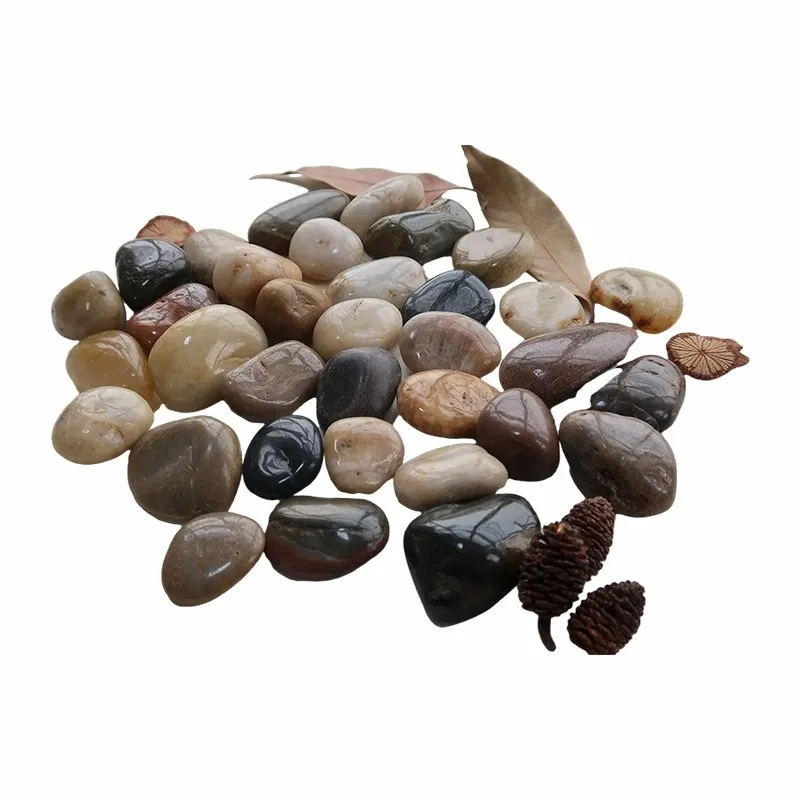

Common Sourcing Regions
1. Riverbeds and Streams
Riverbeds are one of the most common sources of high - polished black pebbles. As water flows downstream, it carries and tumbles rocks and pebbles, gradually smoothing their surfaces and giving them a natural polish. In many mountainous regions around the world, fast - flowing rivers are particularly effective at producing well - polished pebbles. For instance, in the Himalayan region, rivers like the Ganges and its tributaries are known to carry a variety of pebbles, including black ones. The constant movement of water and the abrasion against other rocks help to shape the pebbles into smooth, rounded forms.
In North America, rivers in the Rocky Mountains are also a significant source of high - quality black pebbles. The fast - moving water in these rivers, combined with the presence of suitable rock formations, results in pebbles that are both aesthetically pleasing and durable. These river - sourced black pebbles are often prized for their natural beauty and unique texture.
2. Coastal Areas
Coastal regions are another important source of high - polished black pebbles. The action of waves and tides on the shoreline can have a similar effect to that of rivers, polishing the pebbles over time. In some areas, the combination of strong ocean currents and the presence of specific rock types leads to the accumulation of large quantities of black pebbles.
For example, the beaches of certain volcanic islands are known for their black sand and pebbles. The volcanic rock on these islands is often broken down by the action of the sea, creating a supply of black pebbles that can be collected. The Canary Islands in the Atlantic Ocean and the Hawaiian Islands in the Pacific are well - known for their volcanic landscapes and the availability of black pebbles. The constant movement of the waves against the pebbles gives them a high gloss finish that is highly sought after in the market.
3. Quarries
In addition to natural sources, quarries are also used to obtain high - polished black pebbles. Quarrying involves extracting large blocks of rock from the earth and then processing them into smaller pebbles. This method allows for more control over the size and quality of the pebbles.
Some quarries specifically target black rock formations, such as black granite or basalt. These rocks are cut into smaller pieces and then polished using industrial equipment to achieve the desired high - gloss finish. Quarries in countries like China, India, and Brazil are known for producing high - quality black pebbles on a large scale. The advantage of quarry - sourced pebbles is that they can be produced in a consistent size and shape, making them suitable for a variety of applications.
Applications of High - Polished Black Pebbles
High - polished black pebbles have a wide range of applications, which is one of the reasons for their popularity. In landscaping, they are often used to create elegant pathways, decorative borders, or as a ground cover in gardens. Their dark color provides a striking contrast to green plants and other light - colored elements in the landscape, adding a touch of sophistication.
In interior design, high - polished black pebbles can be used in aquariums, as decorative elements in vases, or even as part of a feature wall. Their smooth surface and reflective properties make them an attractive addition to any space. They can also be used in construction projects, such as in the creation of mosaic floors or as a decorative element in building facades.
Our Product Range and Related Offerings
As a supplier of high - polished black pebbles, we take pride in offering a wide range of products to meet the diverse needs of our customers. Our pebbles are sourced from the best locations around the world, ensuring high quality and consistent appearance.
In addition to our high - polished black pebbles, we also offer other types of polished stones. You can explore our Premium White Garden Pebbles, which are perfect for creating a clean and modern look in your garden. Our High - Gloss Red River Stones add a pop of color to any landscaping project, and our Glossy Multicolor Pebbles offer a vibrant and eye - catching option for those who want to make a statement.
Contact Us for Procurement
If you're interested in purchasing high - polished black pebbles or any of our other products, we encourage you to reach out to us for a detailed discussion. We have a team of experts who can provide you with all the information you need, including pricing, quantity availability, and shipping options. Whether you're a landscaper, an interior designer, or a homeowner looking to enhance your space, we can help you find the perfect pebbles for your project.
References
- "Geology of Rocks and Minerals" by John Smith, published by Earth Science Press.
- "Landscaping with Pebbles: A Guide to Design and Installation" by Mary Johnson, published by Garden Arts Publishing.
- "The Science of Stone Polishing" by David Brown, published by Industrial Engineering Journal.